
mirror with led lights
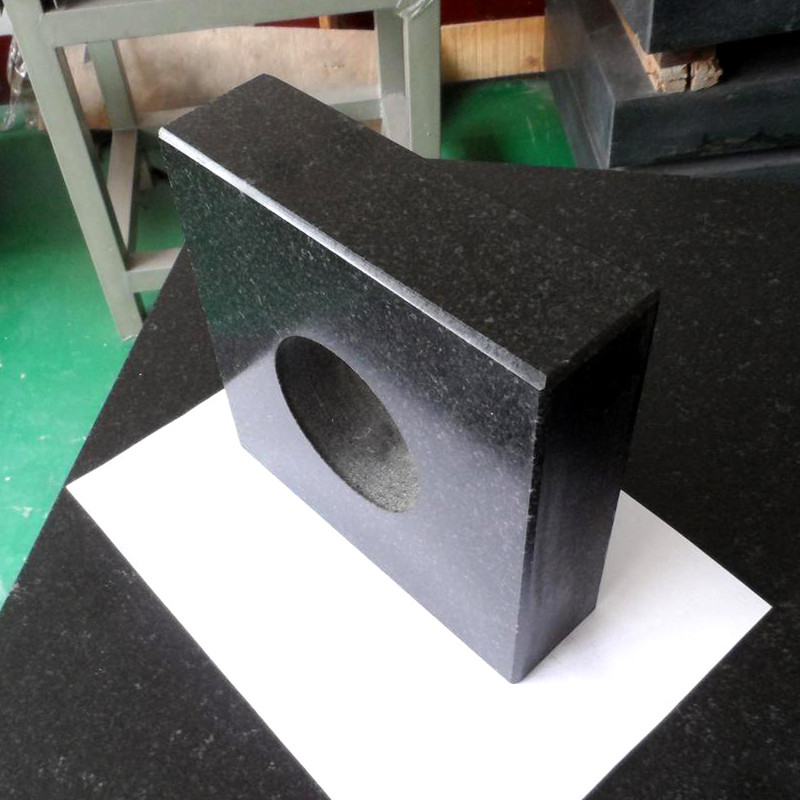
Understanding the Spirit Level Precision in Measurements The spirit level, a simple yet ingenious tool, plays a pivotal role in ensuring that various structures and surfaces are correctly aligned. Used by builders, carpenters, metalworkers, and DIY enthusiasts alike, the spirit level is an essential device in any toolkit where precision matters. Its design features a sealed vial containing a liquid, typically alcohol or oil, with an air bubble inside that indicates when a surface is perfectly horizontal or vertical. The Anatomy of a Spirit Level A traditional spirit level consists of a rectangular body, usually made from materials such as aluminum or plastic for durability and lightweight ease of use. Embedded within this body are one or more vials—these are the clear tubes filled with liquid. Each vial is carefully calibrated to show level in different orientations one for horizontal leveling (often the most used), and additional ones for vertical measurements. More advanced models may include even more vials, marked at 45-degree angles for checking surfaces that require precise angle adjustments. The operative principle of the spirit level lies in gravity. When placed on a surface, the bubble inside the vial will seek the highest point, eventually coming to rest in the center of the vial when the surface is perfectly level. This simple observation allows users to achieve accurate measurements without relying on complex calculations or advanced instruments. Practical Uses in Everyday Projects The applications of a spirit level are vast and varied. In construction, ensuring that walls are plumb (vertically straight) and that floors are level is crucial; a minor error can lead to significant structural problems later on. For instance, when installing cabinets in a kitchen or hanging shelves, using a spirit level guarantees that these installations are secure and will function as intended without risk of tipping or falling. spirit level with measurements Carpenters utilize spirit levels when framing structures, ensuring that each stud is vertically aligned to maintain integrity in load-bearing walls. In landscaping, spirit levels serve as an indirect measure of drainage, helping to establish the right slope for water runoff. Even in tiling projects, where uniformity and precision in layout are key, spirit levels ensure that tiles are laid evenly—creating a visually appealing and safe surface. The Digital Evolution While traditional spirit levels are still widely used, advances in technology have introduced digital spirit levels. These devices offer LED displays that provide precise readings, often with features like angle measurement and memory for storing previous measurements. Digital levels are usually more sensitive than their analog counterparts, offering increased accuracy that can be critical in specialized situations like fine woodworking or precision engineering. Despite this technological advancement, many professionals and hobbyists continue to rely on classic spirit levels for their reliability, ease of use, and lack of dependency on batteries. The tactile feedback provided by a physical bubble gives a straightforward, immediate understanding of whether a surface is level or not, which can sometimes be more reassuring than reading a digital value. Conclusion A Tool for All In summary, the spirit level is an indispensable tool that embodies both simplicity and functionality. Its ability to ensure precision in a variety of projects—from construction sites to home improvement tasks—highlights its enduring relevance. Whether one opts for a traditional spirit level or a modern digital version, the importance of achieving accurate measurements cannot be understated. For anyone embarking on a project that requires precision, understanding how to use a spirit level effectively is crucial. Not only does it enhance the final outcome, contributing to the overall quality and safety of constructions, but it also enriches the satisfaction of craftsmanship, be it professional or amateur. As we navigate the world of measurements and alignments, the spirit level remains a testament to our commitment to creating spaces that are not only aesthetically pleasing but also structurally sound.
about
mirror with led lights
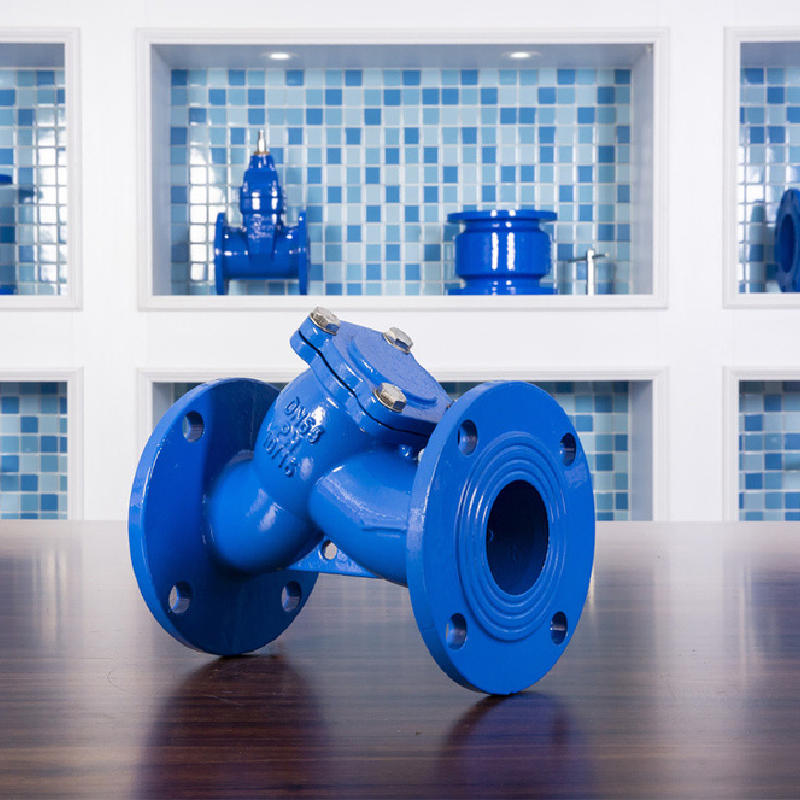
How to Open a Water Valve A Comprehensive Guide Opening a water valve may seem like a simple task, but it is essential to understand the different types of valves and the proper techniques involved in ensuring that water flows safely and efficiently. Whether you’re dealing with a valve in your home plumbing system, an irrigation system, or an industrial setting, knowing how to open a water valve correctly can save you time and prevent unwanted water wastage or damage. Here’s a detailed guide to help you with this process. Understanding Water Valves Water valves come in various shapes and sizes, and they serve multiple purposes. The most common types include gate valves, ball valves, globe valves, and check valves. Each type functions differently - Gate Valves These valves are primarily used for on/off control and have a gate mechanism that opens and closes by lifting or lowering. - Ball Valves These valves use a spherical disc to control the flow. They provide a tight seal and are quick to open or close. - Globe Valves Known for their throttling capability, globe valves are used to regulate flow. They have a spherical body which gives them their name. - Check Valves These valves allow fluid to flow in one direction and prevent backflow, often found in drainage systems. Tools You Might Need Before you open a water valve, make sure you have the necessary tools at hand. Depending on the type of valve, you may need - A wrench or pliers (for gate and globe valves) - A hand crank (for some larger valves) - A bucket or towel (to catch any leaking water) - Safety goggles (to protect your eyes in case of sudden water flow) Steps to Open a Water Valve 1. Identify the Valve Type Before attempting to open any valve, identify which type you are dealing with . This will determine the method you should use. how to open a water valve 2. Turn Off Supply (if necessary) If you are working on a system that could cause flooding or excessive water flow, it’s prudent to shut off the main water supply before proceeding. 3. Inspect the Valve Before you attempt to open the valve, examine it for any visible damage, corrosion, or signs of wear. This inspection helps prevent issues when opening. 4. Use the Correct Method - Gate Valve To open a gate valve, turn the handle or wheel counterclockwise until it stops. This may require some force if the valve hasn’t been operated in a long time. - Ball Valve Simply turn the lever or handle 90 degrees (a quarter turn) counterclockwise to open. If the valve is difficult to move, apply some lubricant and try again. - Globe Valve Rotate the valve handle counterclockwise. Unlike gate valves, globe valves may need several turns to fully open or close. - Check Valve These valves typically do not require manual opening or closing as they operate automatically; ensure that it is functioning as intended by checking the line flow. 5. Check for Leaks After the valve is opened, inspect the area around the valve for any leaks. If water is seeping from the joints, you may need to tighten them or replace the valve. 6. Final Checks Once you’re confident that everything is working properly, monitor the flow of water to ensure that it’s operating as expected. Safety Considerations Always keep safety in mind while working with water valves. Be sure the area is dry, wear appropriate safety gear, and never attempt to force a valve that feels stuck. If the valve is too corroded or damaged, consider calling a professional plumber for assistance. Conclusion Opening a water valve may be a simple task, but understanding the type of valve, using the right tools, and following proper procedures is crucial for a successful operation. By following the steps outlined in this guide, you can efficiently manage your water systems and prevent common mishaps. Always remember, when in doubt, consult a professional to ensure safety and efficacy in your plumbing tasks.
-

High quality industrial productsagement

High quality industrial products
View Details -

Meet the diverse needs of customers

Meet the diverse needs of customers
View Details -

Strict quality control

Strict quality control
View Details -

Top raw materials

Top raw materials
View Details -

Trusted supplier

Trusted supplier
View Details
Our application


news and information
vedenpaineventtiili
Vesipaineventtiili Teho, Toiminta ja Käyttökohteet Vesipaineventtiili on olennainen osa monia vesijä

verschillende soorten regelkleppen en hun toepassingen
Verschillende Soorten Controlekranen en Hun Toepassingen Controlekranen zijn essentiële componenten
Versatile 4x8 Welding Table for Precision Metalwork and Fabrication Projects
The Versatility of a 4x8 Welding Table In the world of metalworking and fabrication, the importance
 English